
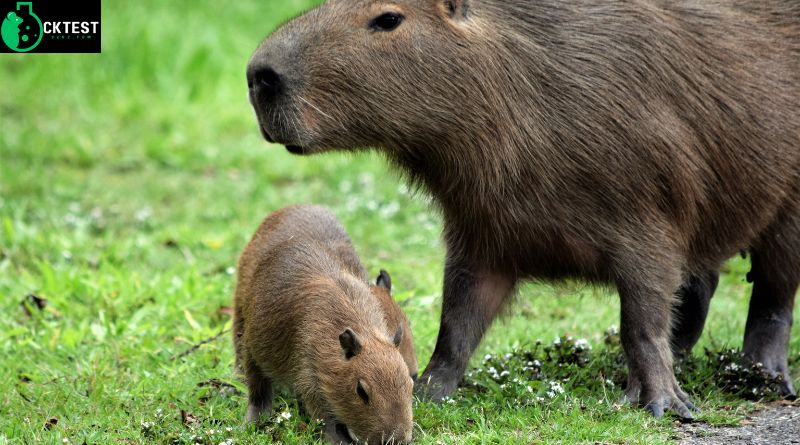
If you have spent any time on the internet lately, chances are you have come across the word cadibara at least once. Maybe you saw it in a trending video, stumbled upon it in a wildlife article, or heard someone casually mention it in conversation. Whatever brought you here, one thing is clear — this term carries real weight, and the animal behind it is even more fascinating than the word itself. The cadibara is not some mythical creature or internet invention. It is a widely used variation of the word capybara, referring to one of the most remarkable animals walking this planet today.
What Exactly Is a Cadibara?
The cadibara is essentially another name for the capybara, scientifically known as Hydrochoerus hydrochaeris, and it holds the impressive title of being the largest rodent in the world. Yes, you read that right — a rodent. But before you picture something small and skittery, throw that image out completely. Adults typically weigh anywhere between 35 to 66 kilograms, and some individuals grow even larger than that. They have a barrel-shaped body, a broad flat head, and a calm expression that seems almost permanent. Despite being part of the rodent family — distant relatives of guinea pigs and squirrels — the cadibara lives a life that is entirely its own. It is semi-aquatic, meaning it splits its time between land and water with impressive ease. Webbed feet help it glide through rivers and marshes, while its eyes, ears, and nostrils are positioned high on its head, allowing it to stay mostly submerged while still keeping full awareness of its surroundings. These physical features are not accidental — they are the result of thousands of years of adaptation to life near freshwater.
Where Does the Cadibara Live?
Geographically, the cadibara is a creature of South America. It is found across a wide range of countries including Brazil, Venezuela, Colombia, Argentina, Paraguay, and Peru. What ties all these locations together is the presence of water. These animals are almost never found far from rivers, lakes, marshes, or flooded grasslands. Water is not just a convenience for them — it is central to their survival. It regulates their body temperature in the hot tropical climate, provides food in the form of aquatic vegetation, and offers a quick escape route from predators like jaguars, caimans, and anacondas. The cadibara is a strong swimmer and can hold its breath underwater for several minutes when threatened, making it surprisingly skilled at avoiding danger despite its large size.
Social Life and Behaviour
Perhaps the most endearing quality of the cadibara is its social nature. These animals live in groups that typically range from 10 to 20 individuals, though in areas rich with food and water, herds can swell to 40 or more. A typical group includes one dominant male, several females, young offspring, and a few subordinate males. Within this structure, there is a clear sense of cooperation. Members communicate through a variety of sounds — whistles, chirps, soft purring, and bark-like warning calls — each serving a specific purpose in group life. What makes the cadibara truly stand out, however, is its extraordinary peace with other species. Videos of these animals sitting calmly while birds perch on their backs, or lounging beside caimans without a hint of tension, have made them internet legends. They are genuinely one of the most relaxed animals in the wild, and that quality seems to extend across species lines.
Diet and Daily Routine
The cadibara is a strict herbivore. It grazes heavily on grasses, reeds, and aquatic plants, consuming up to three kilograms of vegetation daily. Their daily routine is built around eating, resting near water, and social bonding through grooming. They are most active during the early morning and late evening, often resting during the hottest part of the day either in water or in shade. One lesser-known fact about them is that they practice coprophagy — eating their own feces — to extract additional nutrients from the fibrous plant material they consume. It sounds unusual, but it is a smart biological strategy that helps them get the most out of their diet.
Why the Cadibara Matters
Beyond its charm and viral fame, the cadibara plays a genuine ecological role. By grazing on wetland vegetation, it helps regulate plant growth and supports the health of the ecosystems it inhabits. Wetland conservation efforts across South America indirectly benefit cadibara populations, and growing ecotourism interest in these animals has given local communities a peaceful, sustainable way to benefit from wildlife. The cadibara is currently listed as least concern in terms of conservation status, but habitat loss and hunting remain real pressures that require ongoing attention.
In a world that often feels chaotic and rushed, there is something deeply refreshing about the cadibara — an animal that lives fully, socialises freely, and somehow makes peace with everything around it.