
Gout is one of those conditions that forces you to pay close attention to everything you eat. The sharp, burning pain that comes with a gout flare is something nobody wants to experience twice, which is why people with gout often find themselves questioning even the most ordinary foods in their diet. One question that comes up frequently is whether dairy products, and specifically cheese, are safe to eat when you have this condition. So, is cheese bad for gout, or is it actually one of the safer options on your plate?
Understanding Gout and the Role of Diet
Before diving into cheese specifically, it helps to understand what gout actually is and why diet matters so much. Gout is a form of inflammatory arthritis caused by the buildup of uric acid in the bloodstream. When uric acid levels rise too high, it forms sharp crystals that deposit in the joints, most commonly in the big toe, causing intense pain, swelling, and redness. Uric acid is produced when the body breaks down substances called purines, which are naturally found in many foods. This is why diet plays such a central role in managing the condition — certain high-purine foods can spike uric acid levels and trigger a flare, while others may actually help keep things under control.
What Research Says About Cheese and Gout
Here is where things get reassuring for cheese lovers. Multiple studies and dietary guidelines suggest that most dairy products, including cheese, are actually low in purines and are generally well tolerated by people who suffer from gout. In fact, research has found that low-fat dairy consumption is associated with lower uric acid levels in the blood, which is the opposite of what you might expect if cheese were truly harmful.
The reason dairy tends to be protective comes down to certain proteins found in milk, particularly casein and lactalbumin. These proteins appear to help the kidneys excrete uric acid more efficiently, reducing the overall burden in the body. Cheese, being a dairy product, carries some of these same benefits, though the fat content and salt levels can vary significantly depending on the type.
Which Types of Cheese Are Safer
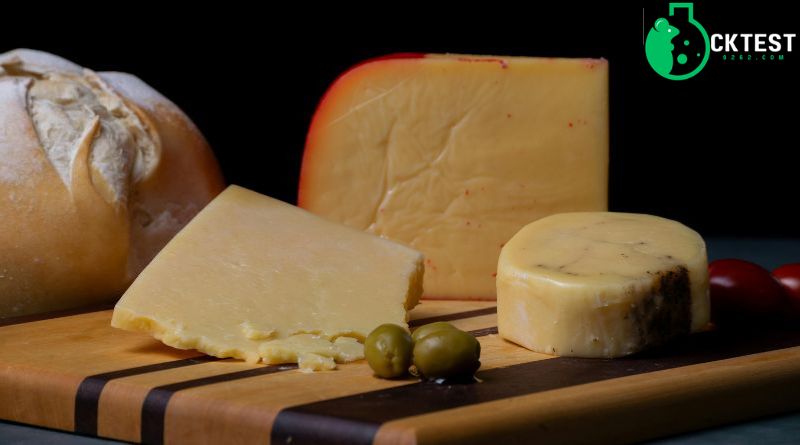
Not all cheese is created equal when it comes to gout management. Lower-fat varieties such as cottage cheese, ricotta, and part-skim mozzarella tend to be the most suitable options. These are easier on the body overall and align better with the low-fat dairy principle that research generally supports. So if someone asks is cheese bad for gout, the more accurate answer is that it depends heavily on the type and the quantity you are consuming.
Full-fat cheeses like aged cheddar, brie, or blue cheese are higher in saturated fat and sodium. While they are still low in purines, the high salt content can contribute to water retention and may indirectly affect kidney function over time, which is not ideal for someone managing elevated uric acid levels. Eating these cheeses occasionally in small amounts is unlikely to cause problems, but making them a daily staple is probably not the wisest approach.
Other Dietary Factors to Consider Alongside Cheese
Managing gout is never just about one food in isolation. Even if cheese is generally safe, your overall dietary pattern matters enormously. Foods that are genuinely problematic for gout include organ meats, shellfish, red meat, and alcohol — especially beer. Sugary drinks and high-fructose corn syrup are also strongly linked to elevated uric acid levels and should be limited.
On the positive side, foods like cherries, low-fat dairy, coffee, and water have all shown some promise in supporting uric acid control. Staying well hydrated is particularly important because it helps the kidneys flush out excess uric acid before it has a chance to crystallize.
Final Thoughts
So is cheese bad for gout? For most people, the answer is no — at least not in moderate amounts and when choosing lower-fat varieties. Cheese is low in purines, and dairy proteins may even offer mild protective benefits by supporting uric acid elimination. The key is moderation, smart cheese selection, and keeping the bigger dietary picture in focus. Pairing occasional cheese consumption with a gout-friendly lifestyle — plenty of water, limited alcohol, and reduced intake of high-purine foods — is a reasonable and sustainable approach for most people managing this condition.
Read Also: 8133370148