
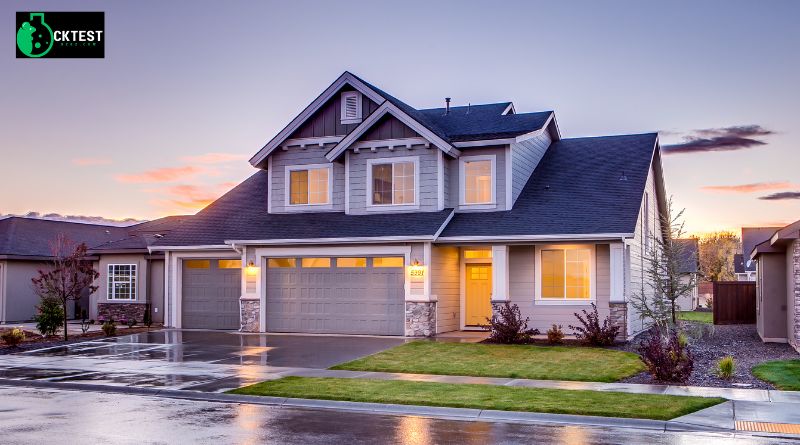
A small concrete house is one of the most practical and durable housing choices available today. Whether you are building your first home on a tight budget or simply want something that will stand the test of time without demanding constant maintenance, concrete construction offers a compelling solution. Over the past decade, more and more homeowners have turned to this building style — not just for its affordability, but for its strength, energy efficiency, and surprisingly modern aesthetic. What was once considered a purely industrial material has now become a favorite in residential construction around the world.
Why People Are Choosing Concrete for Small Homes
The shift toward smaller, more intentional living spaces has naturally brought concrete into the spotlight. A small concrete house fits beautifully into this lifestyle because the material itself encourages simplicity. Concrete walls are thick, solid, and inherently insulating, which means your heating and cooling bills stay remarkably low compared to traditional wood-frame homes. In regions that experience harsh weather — heavy rain, strong winds, or even earthquakes — concrete performs exceptionally well. It does not rot, it does not attract termites, and it does not warp over time the way wood does. For a homeowner who wants to build once and live comfortably for decades, this kind of durability is incredibly valuable.
Beyond the practical benefits, there is also a real beauty to concrete that many people overlook. Raw concrete walls have a clean, honest quality that pairs naturally with minimalist interior design. When paired with warm wood furniture, indoor plants, and large windows that bring in natural light, the interior of a small concrete house can feel surprisingly warm and welcoming rather than cold or industrial.
Building and Design Possibilities
Layouts That Work for Small Spaces
One of the biggest advantages of working with concrete is the design freedom it offers. Unlike wood framing, which relies on load-bearing walls placed at specific intervals, concrete construction allows for open floor plans that feel generous even within a limited footprint. A well-designed small concrete house can include an open kitchen and living area, one or two comfortable bedrooms, and a functional bathroom — all within five hundred to eight hundred square feet. Smart storage solutions built directly into the concrete walls, such as recessed shelves or built-in cabinets, help keep the space organized without crowding the rooms.
Roofing and Exterior Options
The exterior of a small concrete house can take many forms. Some homeowners prefer a flat roof, which gives the structure a clean, modern silhouette and can even be converted into a usable rooftop terrace. Others opt for a sloped roof using concrete tiles, which blends better with traditional neighborhood aesthetics. The exterior walls themselves can be left with their natural finish, painted in any color, or covered with a thin layer of stucco for added texture. This flexibility means a concrete home does not have to look like a bunker — it can be just as charming and personalized as any other home on the street.
Cost and Long-Term Value
What It Costs to Build
Many people assume that concrete construction is expensive, but for smaller homes, the numbers often tell a different story. The material costs are competitive with traditional construction, and because concrete homes require far less maintenance over their lifetime, the long-term savings are significant. You are unlikely to spend money on repainting every few years, replacing termite-damaged wood, or repairing weather-related structural damage. The upfront investment in a small concrete house tends to pay for itself within the first decade of ownership.
Resale Value and Market Appeal
As sustainable and low-maintenance living continues to grow in popularity, concrete homes are becoming increasingly desirable in the real estate market. Buyers today are more informed than ever, and many actively seek out properties that will not demand constant repair work. A well-built small concrete house holds its value exceptionally well and often sells faster than comparable wood-frame properties in the same neighborhood.
If you are considering building your next home and want something that is durable, affordable, and genuinely beautiful in its simplicity, a small concrete house deserves serious consideration. It is not just a structure — it is a long-term investment in comfort, sustainability, and peace of mind.
Read Also: Planet Fitness Student Discount